

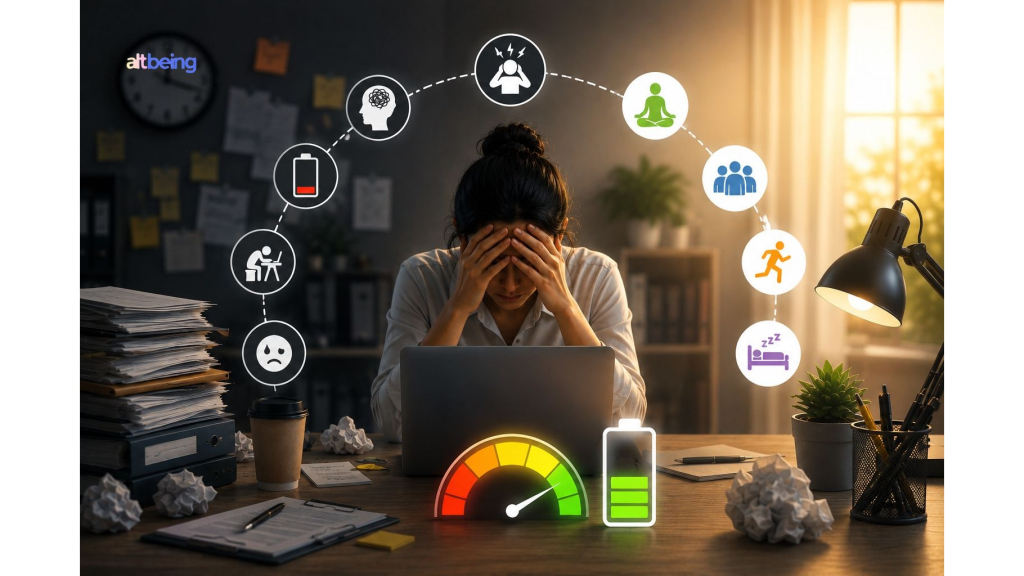
Burnout rarely happens overnight. It often develops gradually, beginning with small changes in your energy, mood, motivation, and ability to cope with everyday responsibilities. You may feel unusually tired after work, become more easily irritated, lose interest in things you once enjoyed, or start feeling like even simple tasks require too much effort.
Because these changes can appear slowly, it is easy to dismiss them as "just a stressful week” or assume that taking a weekend off will solve everything. But when stress becomes persistent, and your physical and emotional resources remain depleted, it may be a sign that you need to pay closer attention.
Recognizing the early signs of burnout can help you take action before exhaustion begins to affect your health, relationships, work, and overall quality of life. Whether you are dealing with demanding responsibilities, workplace pressure, emotional strain, or a lack of balance, understanding the warning signs is an important first step.
What Is Burnout?
Burnout is a state of prolonged physical, mental, and emotional exhaustion that can develop when ongoing stress is not adequately managed. It is commonly associated with work, but burnout can also arise from caregiving, academic pressure, personal responsibilities, financial difficulties, or other long-term demands.
In the workplace, burnout may develop when people consistently experience excessive workloads, unrealistic expectations, limited control, insufficient recognition, poor work-life balance, or an environment that keeps them under constant pressure.
Importantly, burnout is more than simply having a busy day or feeling tired after completing a challenging project. It tends to involve persistent exhaustion and a growing sense that your usual coping strategies are no longer enough.
10 Early Warning Signs of Burnout
1. You Feel Tired Even After Rest
One of the earliest signs of burnout is persistent exhaustion. You may sleep for an adequate number of hours but still wake up feeling drained. Everyday tasks that once felt manageable may suddenly require much more effort.
This type of fatigue isn't necessarily limited to physical tiredness. You may also feel mentally exhausted, making it harder to concentrate, make decisions, or stay engaged throughout the day.
If rest no longer seems to restore your energy, it may be a sign that your body and mind need more than just another night's sleep.
2. You’re Losing Motivation
Another common warning sign is a noticeable decline in motivation. Work, hobbies, social activities, or responsibilities that once gave you satisfaction may begin to feel like chores.
You might find yourself thinking, "What’s the point?” or simply counting the hours until the day ends.
Occasional low motivation is normal. However, when a lack of enthusiasm continues for weeks and affects areas of your life you previously enjoyed, it deserves attention.
3. Small Problems Feel Overwhelming
Burnout can reduce your ability to cope with everyday challenges. A minor mistake, unexpected email, difficult conversation, or additional task may suddenly feel much bigger than it normally would.
You may notice that your emotional reactions are stronger than usual. Situations that you previously handled calmly might leave you frustrated, anxious, or upset.
This can happen because prolonged stress leaves fewer emotional resources available to deal with new demands.
4. Increased Irritability and Frustration
When you are mentally and physically depleted, your ability to handle everyday frustrations can become weaker.
Small inconveniences may suddenly feel overwhelming. You might become impatient with coworkers, family members, friends, or even yourself. Situations that previously would not have bothered you may trigger an unusually strong emotional response.
You may also notice yourself becoming more negative or cynical.
In cases of workplace burnout, this can show up as frustration toward meetings, customers, colleagues, managers, or organizational processes. Recognizing these changes early can help you understand that the issue may not simply be "having a bad attitude”; you may be overwhelmed.
5. Your Concentration Is Getting Worse
Burnout can make it surprisingly difficult to focus. You may read the same email several times, forget important details, struggle to organize your schedule, or find yourself staring at your screen without making progress.
Decision-making can also become harder. Even simple choices may feel mentally exhausting.
If you regularly feel like your mind is "foggy,” don't automatically assume you are simply being unproductive. Mental overload and insufficient recovery can affect attention, memory, and problem-solving.
6. You’re Becoming Disconnected From Your Work
A person experiencing burnout may gradually become emotionally detached from their job.
You may stop caring about projects you previously valued, avoid conversations with colleagues, or feel that your work has little meaning. Some people cope by mentally "checking out” while still completing the minimum requirements of their role.
This emotional distance can be particularly common when someone has been dealing with prolonged pressure without adequate recognition, support, or recovery time.
7. Your Sleep Patterns Are Changing
Stress and burnout can interfere with healthy sleep patterns. You might struggle to fall asleep because your mind keeps replaying work-related problems or tomorrow's responsibilities.
Others may sleep much more than usual yet still wake up feeling exhausted.
Changes in sleep can create a difficult cycle: poor recovery contributes to fatigue, fatigue makes stress harder to manage, and increased stress makes quality sleep more difficult.
Pay attention when your sleep habits change significantly and remain disrupted.
8. You’re Avoiding People and Activities
Burnout can make social interaction feel like another responsibility.
You may start declining invitations, avoiding conversations, spending more time alone, or losing interest in activities you normally enjoy. Sometimes this happens because you simply don't have enough energy left after meeting daily obligations.
Occasional alone time can be healthy. However, persistent withdrawal may indicate that you are struggling with emotional exhaustion.
Staying connected with supportive people can be an important part of rebuilding your energy and perspective.
9. Your Physical Well-Being Is Changing
Burnout isn't only an emotional experience. Prolonged stress can also show up physically.
You may notice frequent headaches, muscle tension, digestive discomfort, changes in appetite, or a general feeling of being run down. Some people also find themselves relying more heavily on caffeine or other habits to get through the day.
Physical symptoms can have many possible causes, so they shouldn't automatically be attributed to burnout. If symptoms are persistent, severe, or concerning, speaking with a qualified healthcare professional is important.
10. You Feel Like You’re Running on Empty
Perhaps the clearest warning sign is the feeling that you simply have nothing left to give.
You may continue meeting responsibilities, attending meetings, completing tasks, and taking care of others—but internally, you feel completely depleted.
This is an important moment to pause rather than wait until you can no longer function effectively. Burnout is easier to address when you recognize the warning signs early.
What Can You Do If You Recognize These Signs?
Noticing several of these symptoms doesn't necessarily mean you have burnout. Stress, sleep problems, personal challenges, and other circumstances can produce similar experiences.
However, the signs are worth taking seriously.
Start by identifying the biggest sources of pressure in your life. Can you reduce unnecessary commitments? Can you set clearer boundaries around working hours? Are you taking meaningful breaks instead of moving continuously from one task to another?
If possible, speak openly with a trusted manager, colleague, friend, family member, counselor, or mental health professional. You don't have to wait until you're completely overwhelmed before asking for support.
Organizations can also play a significant role in prevention. Healthy workloads, realistic expectations, supportive leadership, reasonable flexibility, meaningful breaks, and effective workplace wellness programs can help create environments where employees are better able to protect their well-being.
Platforms such as AltBeing can also support people exploring different approaches to well-being, personal growth, and healthier ways of managing everyday challenges.
Prevention Starts With Paying Attention
Burnout often develops when ongoing demands consistently exceed a person's ability to recover. The solution isn't always as simple as taking one day off. Sustainable change may require better boundaries, adequate rest, supportive relationships, healthier routines, and professional guidance when necessary.
Most importantly, don't normalize persistent exhaustion simply because being busy has become part of modern life.
Your declining energy, irritability, lack of motivation, difficulty concentrating, and emotional detachment may be signals—not weaknesses. Learning to recognize those signals early gives you an opportunity to respond before burnout becomes more deeply established.
If you regularly feel overwhelmed or unable to cope, consider talking with a qualified mental health professional or healthcare provider. Getting support early is a proactive step toward protecting your well-being.
Final Thoughts
Burnout often begins quietly. It may look like persistent tiredness, reduced motivation, irritability, poor concentration, disrupted sleep, social withdrawal, or an inability to stop thinking about work.
These signs are easy to normalize, particularly in environments where being busy is treated as a measure of success. But at AltBeing, we believe that constantly pushing through exhaustion does not necessarily make you stronger or more productive. Your mental and physical well-being deserve attention before stress becomes.
The goal is not to eliminate every stressful experience from life. Instead, it is to recognize when stress has become persistent and begin responding to your needs.
Pay attention to the signals your mind and body are sending you. Set healthier boundaries, make recovery part of your routine, seek support when necessary, and remember that asking for help is a proactive step, not a failure.
Recognizing the early signs of burnout may be one of the most important steps you can take toward protecting your energy, well-being, and long-term quality of life.

Share this via
Or copy link