

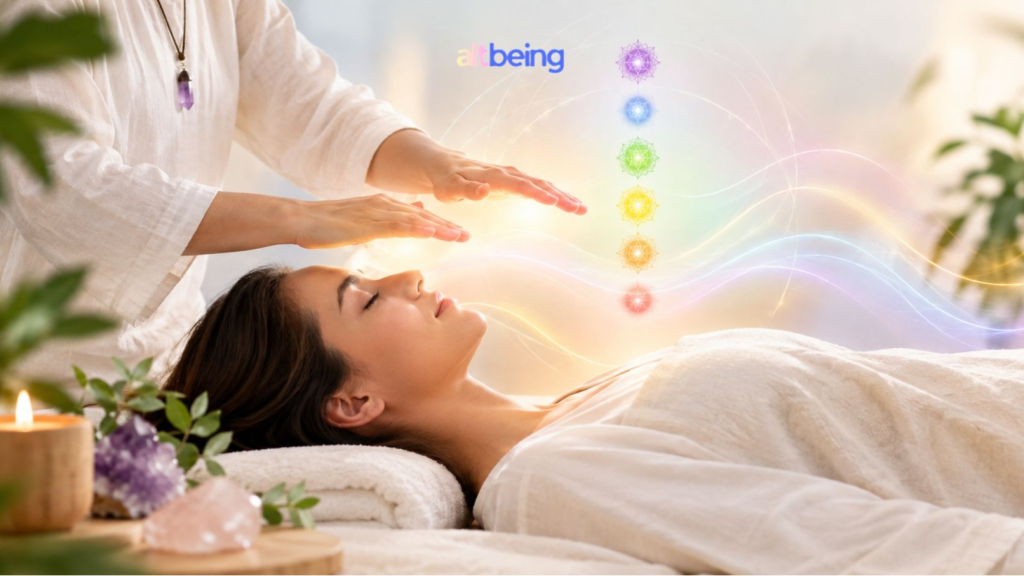
When life feels demanding, many people look for ways to create more space for relaxation, reflection, and self-care. Alongside familiar wellness practices such as meditation and yoga, energy healing has attracted interest from people who want to explore complementary approaches to well-being. For beginners, however, the idea can seem unfamiliar, particularly when it is difficult to know what actually happens during a session.
Energy healing refers to a group of complementary practices based on the idea that working with a person's energy may support relaxation, balance, or a sense of well-being. Different traditions use different concepts and techniques, so there is no single experience that represents every form of energy healing.
What Is Energy Healing?
Energy healing is a broad term used for practices in which practitioners work with what they describe as a person's energy or energy field. Reiki is one example. In Reiki, practitioners typically place their hands lightly on or just above a person's body with the intention of supporting the person's natural healing response.
These practices are often associated with holistic wellness because they may focus on the whole person rather than a single aspect of health. Depending on the approach, a session may involve gentle touch, hands held above the body, guided relaxation, meditation, breathing, or quiet reflection.
It is important to distinguish traditional beliefs about energy from established scientific findings. For example, the U.S. National Center for Complementary and Integrative Health (NCCIH) notes that there is no scientific evidence establishing the energy field proposed in Reiki, and research on Reiki's effectiveness for health-related purposes remains limited and inconsistent.
Why Do People Explore Energy Healing?
People may approach energy healing for different personal reasons. Some are interested in creating dedicated time for relaxation, while others are curious about complementary wellness practices or want an opportunity for quiet reflection.
Common reasons someone might explore it include:
- Creating time for relaxation and self-care
- Exploring a new holistic wellness practice
- Developing greater body awareness
- Supporting a personal mindfulness routine
- Taking a break from a busy schedule
Exploring complementary approaches alongside conventional care
These motivations are personal, and people may experience the same practice differently. Energy healing should therefore be approached as a complementary wellness experience rather than a guaranteed treatment for a particular medical or mental health condition.
What Can You Expect From Energy Healing Sessions?
If you are considering energy healing sessions for the first time, knowing what typically happens can make the experience feel more comfortable. While the exact format varies between practitioners and techniques, sessions often involve three stages: preparation, the session itself, and a period of reflection afterward.
Before the Session: A Short Conversation
Many sessions begin with a conversation between the practitioner and client. This gives you an opportunity to discuss what you hope to get from the experience and ask questions about the approach being used.
A responsible practitioner should be willing to explain:
- What the session involves
- Whether physical touch will be used
- How long the session is expected to last
- What you should do during the session
- What you can expect afterward
This conversation is also a good time to communicate boundaries or preferences. You should feel comfortable asking the practitioner to avoid touch or stop an activity if something makes you uncomfortable.
During the Session: A Calm Environment
Energy healing sessions are commonly conducted in a quiet, comfortable setting designed to encourage relaxation. Depending on the practice, you may remain fully clothed while sitting or lying down.
In a Reiki-style session, for example, a practitioner may place their hands lightly on different areas of the body or hold them just above the body. Other approaches may involve no physical contact at all.
You may be encouraged to breathe slowly, relax, remain still, or simply pay attention to how you feel. The practitioner may work quietly for much of the session, although some practitioners may provide occasional guidance or check in with you.
The experience itself does not need to feel dramatic. Some people may simply enjoy having uninterrupted time to relax, while others may notice sensations such as warmth, tingling, heaviness, lightness, or changes in attention. Others may not notice any particular physical sensation. There is no single response that you should expect.
After the Session: Give Yourself Time to Reflect
After a session, the practitioner may ask how you felt during the experience or offer time for a brief discussion. You may want to sit quietly for a few minutes before immediately returning to a busy schedule.
People can respond differently afterward. Some may describe feeling relaxed or refreshed, while others may feel no obvious change. Personal expectations, surroundings, the specific technique, and individual circumstances can all influence the experience.
Rather than judging the session by whether you experienced a particular sensation, consider whether the experience gave you useful time for relaxation, reflection, or self-care.
How to Prepare for Your First Session
Preparation does not usually need to be complicated. A few simple steps can help you approach the experience with realistic expectations.
Choose a Qualified and Transparent Practitioner
Look into the practitioner's training, experience, and approach. NCCIH recommends choosing complementary health practitioners carefully and considering their qualifications and experience.
Be cautious about anyone who guarantees that energy healing can cure a disease, asks you to stop prescribed treatment, or discourages you from consulting a healthcare professional.
Set a Personal Intention
You do not need a complicated goal. Your intention might simply be to spend some quiet time focusing on yourself or exploring a complementary wellness practice.
Ask Questions
Before beginning, ask about touch, session length, cost, practitioner training, and what the experience will involve. Clear communication can make the session more comfortable.
Is Energy Healing Right for You?
Whether energy healing fits your wellness routine depends on your personal interests, expectations, and circumstances. If you are curious about complementary approaches and understand their limitations, a session may provide an opportunity to explore relaxation and personal reflection.
However, it should not replace appropriate medical or mental health care. NCCIH advises consumers to consider the scientific evidence for a complementary approach and discuss relevant decisions with their healthcare providers. It also recommends not using an unproven practice to delay appropriate care for a health problem.
For people interested in exploring different approaches to holistic well-being, AltBeing can be a useful platform to discover wellness-related resources and practitioners while learning more about available options.
A Thoughtful Approach to Energy Healing
Energy healing can be approached as an opportunity to slow down, explore a complementary wellness practice, and become more attentive to your own experience. What happens during a session can vary considerably, so it is helpful to avoid expecting a specific sensation or guaranteed result.
The most important considerations are informed choice, realistic expectations, personal boundaries, and appropriate professional care when health concerns are involved. If you decide to explore energy healing, take time to understand the practice, choose a transparent practitioner, and treat the experience as one possible part of a broader self-care routine.

Share this via
Or copy link