

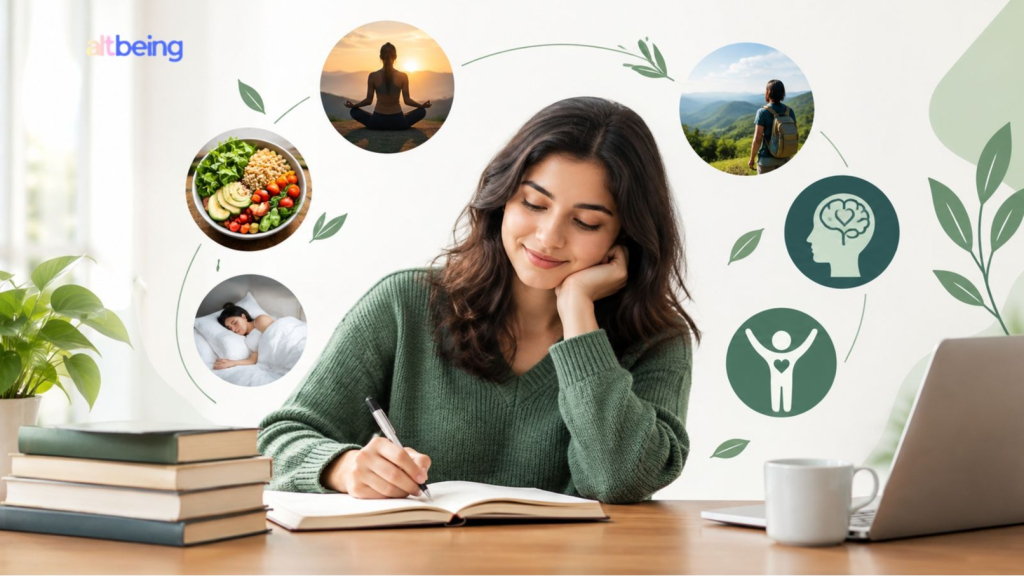
Modern life often makes it easy to focus on work, responsibilities, and daily commitments while overlooking personal well-being. Many people know that healthy eating, regular movement, quality sleep, and stress management are important, but knowing what is healthy and knowing how to apply that knowledge are two different things. This is where wellness education can make a meaningful difference.
Wellness education helps people understand the different factors that influence their well-being and gives them practical knowledge for making healthier everyday choices. Rather than focusing on one aspect of health, it encourages a broader understanding of physical, mental, emotional, social, and lifestyle needs.
For people looking for structured guidance, wellness education services can provide learning opportunities that cover topics such as nutrition, mindfulness, stress management, physical activity, emotional wellness, sleep habits, self-care, and personal development. These services may be offered through workshops, courses, coaching programs, educational resources, or other learning experiences designed to make wellness information easier to understand and apply.
What Is Wellness Education?
Wellness education is the process of learning about healthy behaviors, lifestyle choices, and personal well-being. Its purpose is not simply to provide information but to help people understand how everyday decisions can influence different areas of their lives.
For example, learning about sleep can help someone recognize the importance of maintaining a consistent bedtime routine. Understanding stress can encourage a person to identify triggers and develop healthier ways to manage them. Learning about nutrition can help individuals make more informed food choices.
Wellness education also recognizes that well-being is personal. A routine that works well for one person may not suit another because of differences in lifestyle, responsibilities, preferences, age, environment, and individual needs.
What Areas Does Wellness Education Cover?
Wellness is multidimensional, so effective wellness education can include several interconnected areas.
Physical Wellness
Physical wellness focuses on habits that support the body's everyday needs. Education in this area may include:
The goal is to build practical knowledge that can support healthier lifestyle decisions rather than promote unrealistic health standards.
Mental and Emotional Wellness
Mental and emotional wellness involves understanding thoughts, feelings, stress, and coping strategies. Wellness education may introduce techniques such as mindfulness, journaling, relaxation exercises, and healthy approaches to managing everyday pressure.
It can also help people recognize when challenges are becoming difficult to manage independently. In such situations, seeking support from a qualified healthcare or mental health professional can be an important step.
Social Wellness
Human connection is another important part of well-being. Social wellness education can explore communication, relationships, boundaries, community involvement, and healthy social connections.
Strong relationships do not require constant interaction with everyone. Instead, social wellness can involve developing meaningful connections and learning how to communicate needs respectfully.
Spiritual and Personal Wellness
For some people, wellness also includes a sense of purpose, values, reflection, or spiritual connection. This may involve meditation, contemplation, personal development, time in nature, prayer, or other meaningful practices.
Wellness education can provide opportunities to explore these areas without suggesting that there is one universal approach to personal or spiritual growth.
Why Is Wellness Education Important?
Access to health information has never been easier, yet the amount of information available can sometimes make healthy decision-making more confusing. Wellness education can help people develop a stronger foundation for evaluating information and choosing practices that are realistic for their circumstances.
One important benefit is greater self-awareness. When people understand how sleep, nutrition, movement, stress, emotions, relationships, and daily routines interact, they may become better equipped to recognize patterns in their own lives.
It can also encourage preventive thinking. Instead of waiting until unhealthy habits become difficult to change, people can learn to pay attention to everyday behaviors and make gradual improvements.
Another benefit is greater confidence in everyday decisions. Learning why a particular habit may be beneficial can make it easier to turn information into consistent action.
How Wellness Education Supports Everyday Life
Wellness education becomes most useful when knowledge is translated into practical habits. It does not require completely changing your lifestyle.
For example, someone learning about stress management might begin by taking five minutes each day for mindful breathing. A person learning about healthy sleep could establish a consistent bedtime and reduce screen use before sleeping. Someone interested in physical wellness might start with regular walks rather than immediately adopting an intensive exercise routine.
Small actions can include:
This approach makes wellness education practical instead of turning it into another source of pressure.
Wellness Education and Long-Term Healthy Habits
Knowledge alone does not automatically create healthier behavior. Lasting change often requires repetition, realistic expectations, and an understanding of personal barriers.
For example, someone may know that regular exercise is beneficial but struggle to find time because of work or family responsibilities. Wellness education can encourage that person to think creatively about realistic options, such as short walks, active breaks, or scheduling movement at a convenient time.
The same principle applies to other areas. Healthy habits are more sustainable when they fit naturally into everyday life. The aim is not perfection but gradual improvement and greater awareness.
Choosing the Right Wellness Resources
When exploring wellness education, consider whether the information is clear, evidence-informed, and appropriate for your needs. Be cautious of programs that promise instant results or claim that a single practice can solve every health concern.
Look for educational resources that:
Platforms such as AltBeing can also serve as a place to explore educational resources and different approaches to holistic well-being, depending on an individual's interests and goals.
Making Wellness Education Part of Your Routine
Wellness education does not have to be a one-time activity. It can become an ongoing process of learning, reflection, and adjustment. You might dedicate time each week to learning about nutrition, mindfulness, movement, emotional well-being, or another area that interests you.
The most useful knowledge is knowledge that you can apply. Instead of collecting endless wellness tips, focus on understanding a few principles and turning them into practical habits.
Conclusion
Wellness education gives people the knowledge and awareness needed to make more informed choices about their everyday well-being. By covering physical, mental, emotional, social, and personal aspects of wellness, it provides a broader perspective than focusing on a single health habit.
A healthier lifestyle does not have to begin with major changes. It can start with learning, becoming more aware of your needs, and taking one practical step at a time. Whether you are exploring new habits, seeking personal growth, or simply trying to understand your well-being better, AltBeing can be part of that ongoing journey toward more informed, balanced, and conscious living.

Share this via
Or copy link